Vocational Training
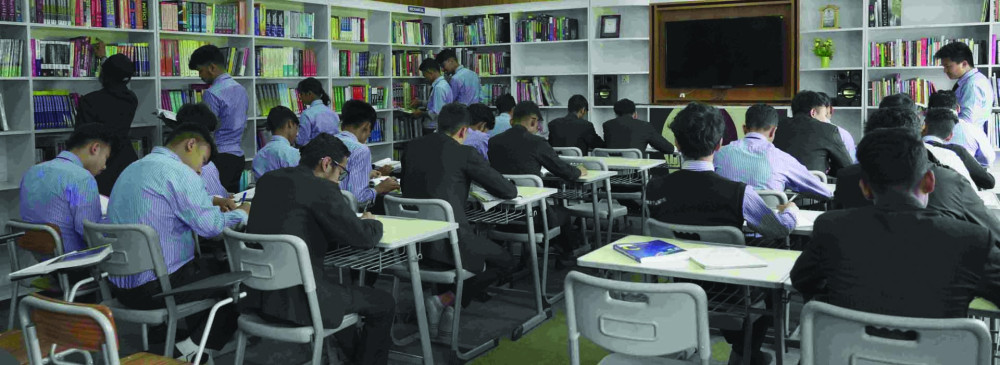
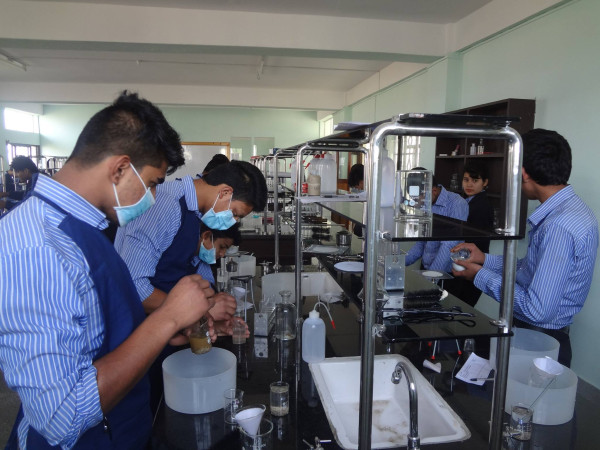
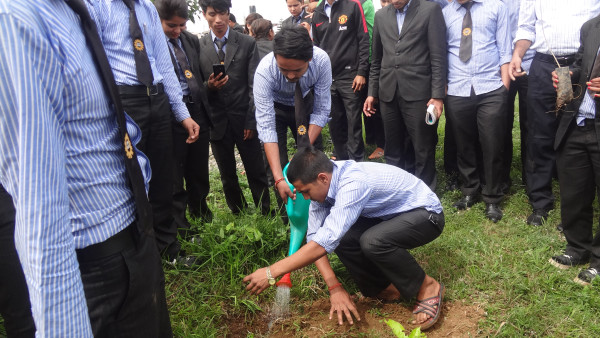
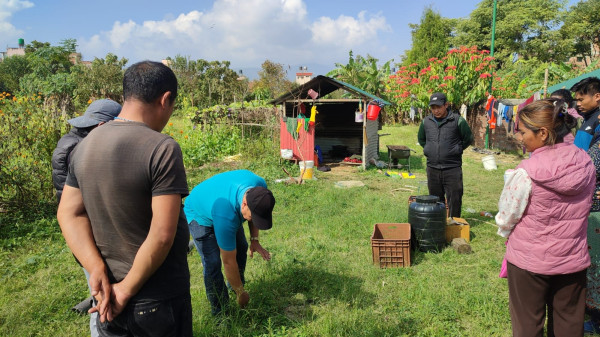
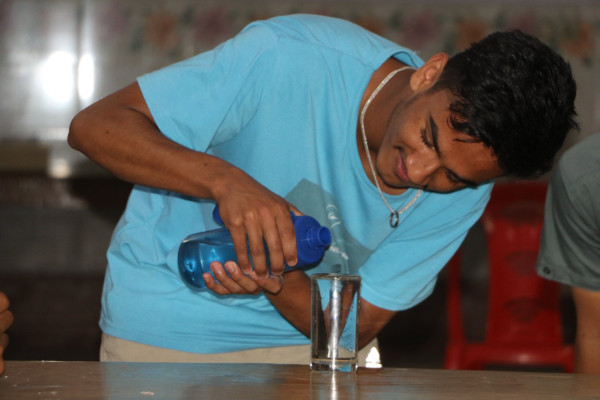
Training classes on the topic of organic farming, mushroom, moringa, bio gas, solar system, drip irrigation, green house, kitchen garden, roof top farming, hydroponics, aquaponics, poultry and goat farming, some vegetables such as cucumber, tomato, etc were conducted. More than 100 students were trained in green skill development and mushroom cultivation. Syllabus and learning sessions were designed by staffs. 45 days of training classes including theory, practical and field visit were designed and conducted daily for 60 minutes. To uplift learning ability among the students, smart classroom and digital tools were used.
Till the date 6th batches had completed the training classes and 7th batch classes is going on. Training classes were taken by the experienced trainer in the field of agriculture. The training classes had a positive impact on the participants as they gain valuable knowledge and skills in different field of agriculture.
Training classes were conducted for the tailoring, beauticians, computer and diploma students of Don Bosco Institute. All the students were belonging from the different districts. Overall, the training classes served as a valuable learning experience to the students.
Table: Number of Trained Students
| S.N | Batch | Number of Students |
| 1. | I | 20 |
| 2 | II | 20 |
| 3 | III | 23 |
| 4 | IV | 20 |
| 5 | V | 25 |
Green Initiative
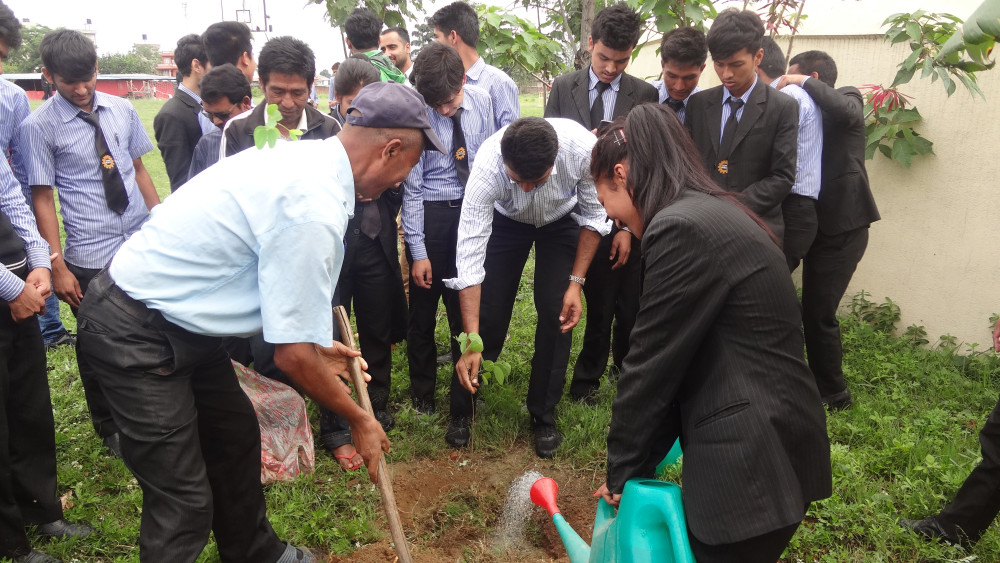
A green initiative refers to efforts aimed at promoting environmental sustainability and reducing the negative impact of human activities on the planet. These initiatives focus on conserving natural resources, reducing pollution, minimizing waste, and promoting renewable energy. Green initiatives can be implemented by individuals, businesses, governments, and communities to combat climate change and protect ecosystems. By encouraging eco-friendly practices such as recycling, energy efficiency, and sustainable consumption, green initiatives contribute to creating a healthier environment and a more sustainable future for generations to come.
Youth Animation
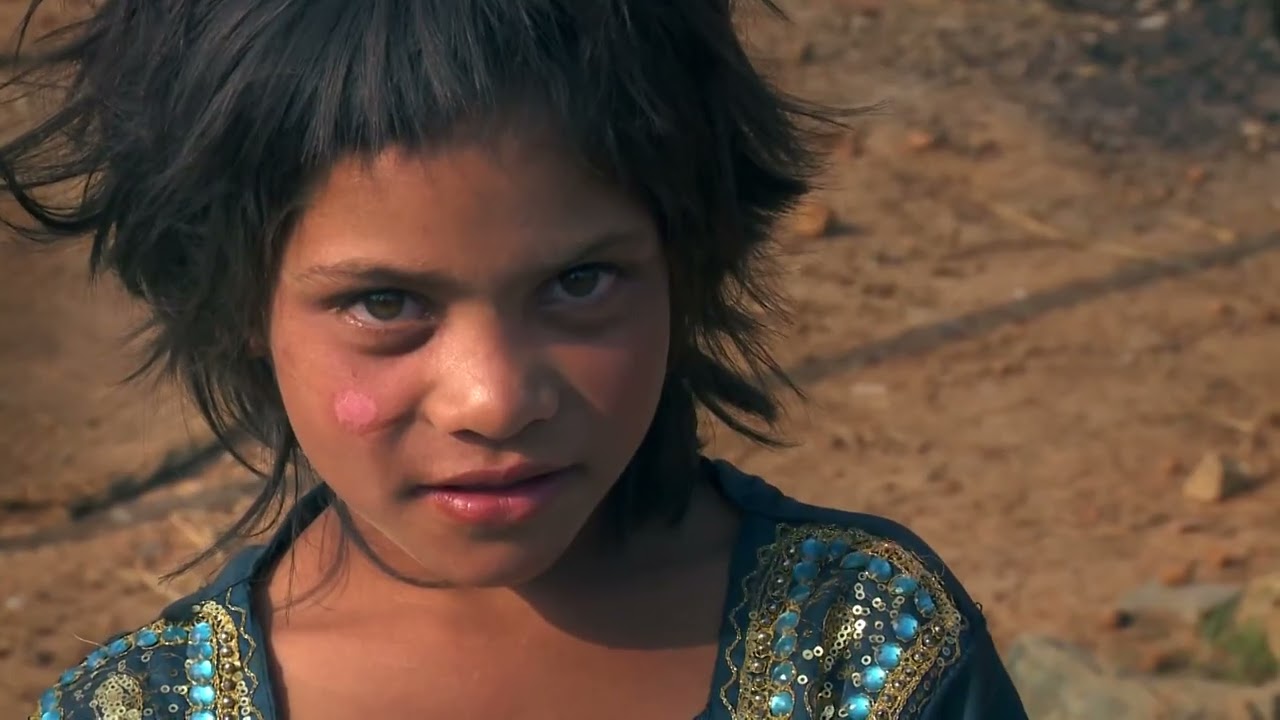
Youth Services is a comprehensive program designed to cater to the needs of young individuals. Youth Services is a comprehensive program designed to cater to the needs of young individuals. Youth Services is a comprehensive program designed to cater to the needs of young individuals.
1996
W
e
A
r
e
W
o
r
k
i
n
g
F
o
r
Y
o
u
S
i
n
c
e
About DB Nepal
We Are Here To Elevate Socially & Economically Marginalzed Communities.
Nepal Don Bosco Society
The Nepal Don Bosco Society is a registered non-governmental organization (NGO) run by the Salesians of Don Bosco, a Catholic religious institute founded by St. John Bosco. It was formally established in Kathmandu on 14 August 1996 and affiliated with Nepal’s Social Welfare Council in December 1999.
Since its inception, the Society has dedicated itself to the education and empowerment of marginalized youth across Nepal. Its first milestone came in 1999 with the opening of a high school in Siddhipur, Lalitpur District. By 2002, a hostel was created to accommodate children from remote villages, and soon after, a vocational training institute was launched in Thecho. What began as a small computer center in 2001 has since grown into a state-of-the-art Technical Training Institute offering courses in computer applications, graphics, accounting, hardware, tailoring and fashion, electrical trades, mobile repair, and apparel design.
The Thecho campus also operates an evening tuition program for underprivileged children. Six teachers provide free classes to about 220 students from grades I–VIII, six days a week, giving them access to quality education and mentorship otherwise out of reach. Today, Nepal Don Bosco Society runs nine centers across seven districts, offering educational and vocational initiatives that impact an estimated 10,000 young people annually.
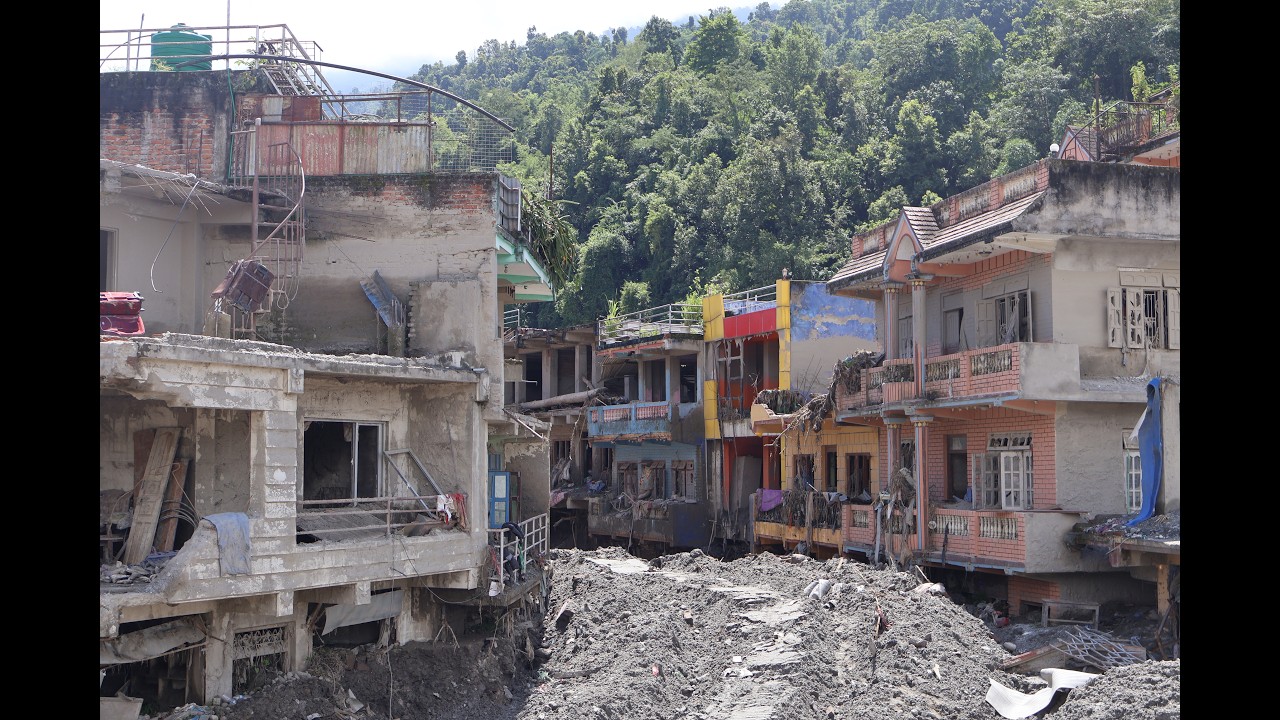
To sustain and expand its mission, the Society established its Development Desk in 2007. Initially focused on student sponsorship, the Desk grew into a hub for fundraising and social action, especially during the 2015 earthquake when it coordinated large-scale relief and recovery efforts. Over time, it has built strong collaborations with Salesian Mission offices worldwide, Caritas, and numerous individual benefactors. In April 2023, the Desk launched a dedicated website to enhance transparency, networking, and outreach.
Driven by Don Bosco’s vision, the Nepal Don Bosco Society continues to transform lives by fostering education, skills, and opportunities for Nepal’s most vulnerable youth—helping them build a future of dignity, hope, and empowerment.